



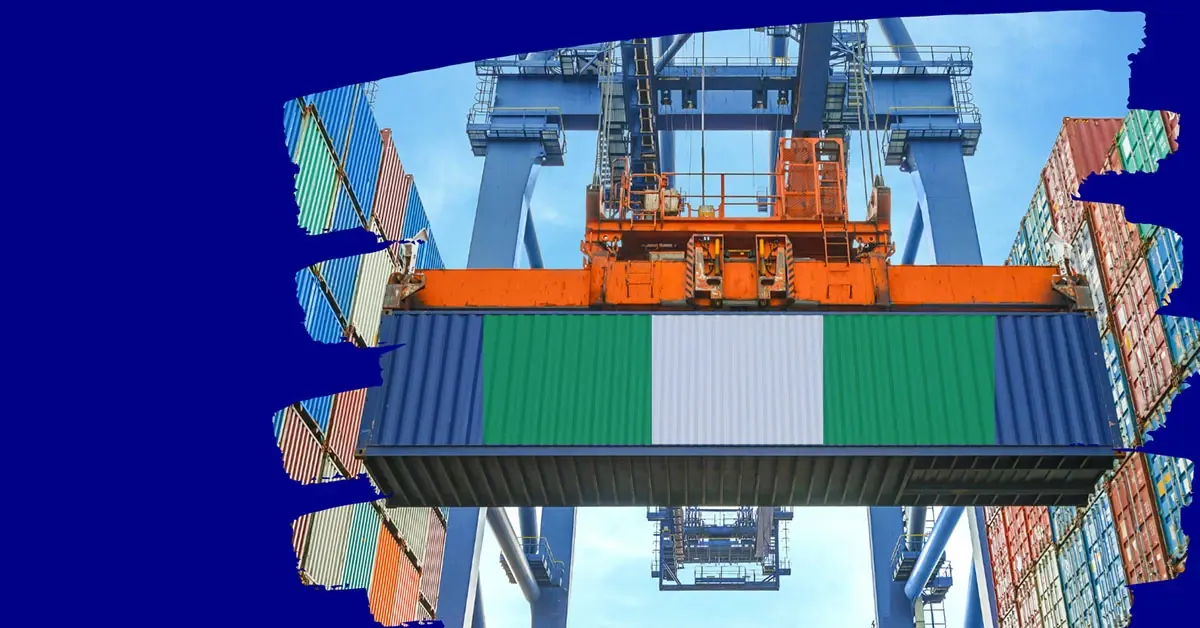
Understanding HS Codes and their importance in International Trade with a zoom on Nigeria SONCAP Programme.
If you're involved in international trade, you've probably heard of Harmonized System (HS) Codes. HS Codes are standardized numerical codes used to classify traded products and are used by customs authorities worldwide to assess duties and taxes and gather statistics. This article will explain what HS Codes are, how to use them correctly, and the consequences of incorrect usage.
About HS Codes
The HS Code system was introduced on January 1, 1988, and is maintained by the World Customs Organization. It is used by over 200 countries and economies and covers more than 98% of goods in international trade. The system assigns specific six-digit codes to various classifications and commodities, and countries can add longer codes for further classification. The codes range from a minimum of 6 digits to a maximum of 13 digits.

Using HS Codes Correctly
As an importer or exporter, you are legally bound to classify your goods correctly and enter the HS Code in your shipping documents. Using the correct HS Code ensures that you pay the right duty, receive the benefits you are eligible for, such as a suspension of customs duty, and are informed of whether your product attracts anti-dumping duty, requires a special license to be shipped, or comes under a trade quota.
Consequences of Incorrect Usage
Incorrect usage of HS Codes can result in paying a higher or lower rate of duty, which can lead to steep fines and penalties imposed by customs authorities, denial of import-export privileges, denial of refund or a lengthy process to claim a refund if you paid a higher rate of duty, payment of duty difference plus interest if you have underpaid, confiscation of goods if you have underpaid (in some countries), rejection of input credit tax (ITC) claim under the Goods and Services Tax (GST), shipping delays, and additional expenses (demurrage/detention/storage charges, etc.) as a result of the delay.
How to Find the Correct HS Code for Your Product when exporting to Nigeria
When exporting to Nigeria, you can find the correct HS Code for your product by searching the Trade portal in Nigeria (https://trade.gov.ng/trade/help/tariff/search.do). Keep in mind that HS Codes may vary from country to country, and it's important to look out for updates and amendments. When classifying your product, it's recommended to get a professional with experience in the field, as customs will hold the owner of the goods (importer or exporter) responsible for any classification violation.
In conclusion, HS Codes play a critical role in international trade, and it's important to use them correctly to avoid the consequences of incorrect usage. By following the guidelines outlined in this article, you can ensure that your goods are classified correctly, and your international trade activities go smoothly.
At Cotecna, we are always available to assist and guide you through the process of obtaining the necessary regulatory documents for your shipment to Nigeria.
Don't hesitate to contact us if you are still unsure of what HS code applies to the product you will be shipping to Nigeria.
About Cotecna
For over 50 years, we have been supporting agriculture, food and pharma, minerals and metals, and consumer products supply chains all over the world. We provide testing, inspection, and certification services to help our clients navigate evolving regulations, ensure product compliance, and support their sustainability journey.