



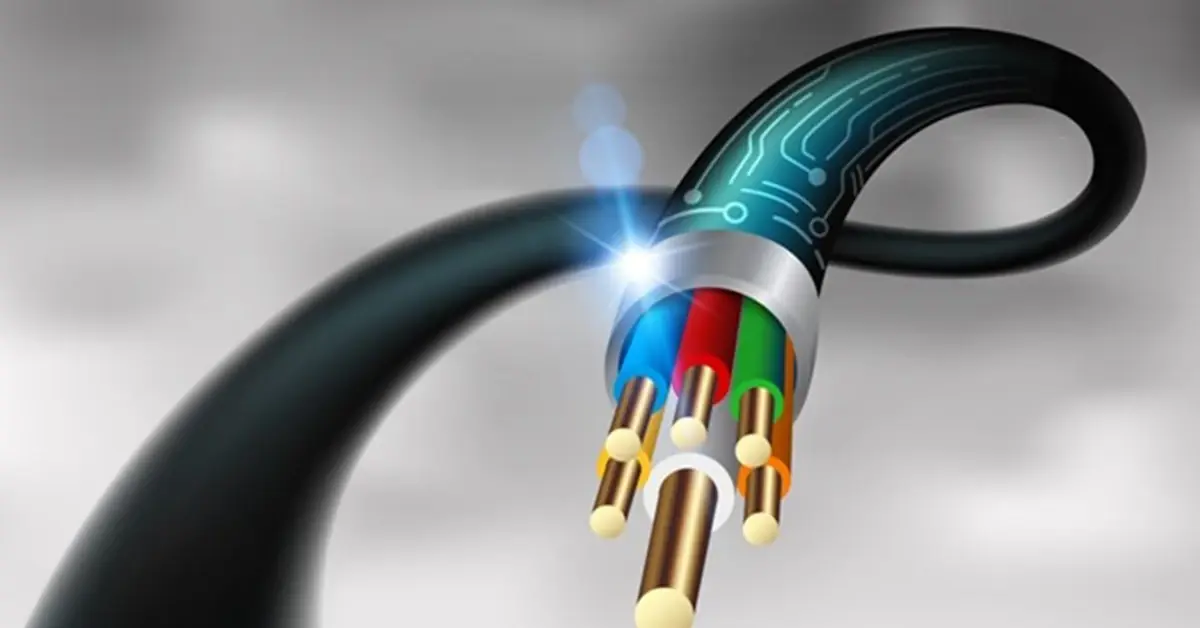
Electrical cables and components are essential and popular import products in Nigeria. Here is everything you need to know about SONCAP regulations for these products.
The Standard Organisation of Nigeria Conformity Assessment Programme (SONCAP) regulates the importation of several products. SONCAP regulated products include electrical cables and other basic electrical components. Here is everything you need to know about exporting these regulated products to Nigeria.
To clarify, the term “electrical component” refers to any part of an electric circuit. Types of electrical components are wires switches, distribution boxes, electrical cables, electrical fuses, electrical switches, and electrical parts.
Electrical components are important to our daily lives, but they come with risks hence they are classified as life endangering products by the Standard Organisation of Nigeria (SON). This is because substandard electrical products present a high risk to lives and the environment.
SONCAP adheres to the Nigeria Industrial Standard and IEC (International Electrotechnical Commission) standards for electrical cables and components. For importation, electrical cables and other basic electrical components require a Product Certificate (PC) issued either under SONCAP Certification Process Route A or through Route C.
Route A
This certification route is designated for unregistered products and the PC is valid for 6 months. Notably, each shipment of electrical cables and other electrical components must be inspected using the witnessing Full Container Loads (FCL) stuffing and sealing procedure. The PC will only be issued if the shipment is deemed complaint with SONCAP standards.
Route C
This route is for manufacturers with regular shipments to Nigeria. Exporters that demonstrate a high level of compliance under Route B are also eligible for certification under Route C. Under this route, exporters are eligible for Product Certificate Licensing PC(L).
The PC(L) is valid for a year and is issued based on a detailed product evaluation. The PC(L) evaluation includes testing, factory audits and regular surveillance. In addition, the PC(L) is issued per product group, meaning, for shipments with products from more than one group, a PC(L) for each group will be required. The PC(L) is also needed to open a Form M, an essential document for Nigerian Customs clearance.
As a reminder, since 2013 Cotecna has been partnering with the Standard Organisation of Nigeria (SON) in running the SON Conformity Assessment Programme (SONCAP) and can therefore accompany exporters and importers throughout the conformity assessment process and assist them in obtaining these mandatory Product and SONCAP Certificates (PC & SC).
Below are examples of electrical components and their functions:
- Electrical Wire: Drawn metal, copper or aluminium that carries electricity through an electrical circuit. The wire must be protected by a jacket depending on usage. Wire size can be as small as 26 gauge or as large as 2,000 MCM.
- Electrical Box: An enclosure used for many purposes such as pulling, connecting, or terminating an electrical circuit. Electrical box can be set screw or indoor; it can also be rain tight, or outdoor. An electrical box can be made from steel, aluminium, plastic, stainless steel, or cast iron. Requirement can include corrosive protected or explosion protected by design.
- Electrical Fuse: A fuse is an electrical part inside a plug or an electrical device such as a TV. Basically, fuses are used to protect electrical appliances, parts and electronic components from potential damage due to a high current flowing in the circuit.
- Distribution Box: Distributes the electric supply to sections of the house and consists of 3 electrical parts. These parts are light circuits [Light Switches + Light Bulbs], fan circuits [Fan Regulator + Fan] and plug socket circuits.
- Electrical Switch: A switch is an electrical component that is used to turn on and off any equipment like television, washing machine, lights, fans, etc. When the switch is off, the circuit is open and there is no flow of current. The current will flow when the circuit is closed which means that the switch should be on.
- Plug Sockets: Used to get electric supply for appliances like computers, electrical heaters, televisions, refrigerators. Plug sockets come with a switch for extra protection, so you don’t get electrocuted or harm your appliances while plugging them in. For safety, you need to turn off the switch before connecting any plugs.
- Electrical Wires & Cables: The basic difference between electrical cables and wires is that wires are a single conductor while a cable is a group of conductors. Electrical wires are used to transport electric current, be that from electric meter to distribution box to power outlets (Plug sockets), all things get the supply through various electrical wires.
3 types of electrical wires,
-
- Live Wire - Red or Brown colours are used for live connections
- Neutral Wire - Blue or Black colours are used for neutral wires
- Earth Wire - Green or Yellow Green are the Earth wire
To learn more about other SONCAP requirements for electricals and electronic products, or for help getting the required SONCAP Certificate or Product Certificate for product importation, please contact us
About Cotecna
For over 50 years, we have been supporting agriculture, food and pharma, minerals and metals, and consumer products supply chains all over the world. We provide testing, inspection, and certification services to help our clients navigate evolving regulations, ensure product compliance, and support their sustainability journey.